


Auf dieser Seite
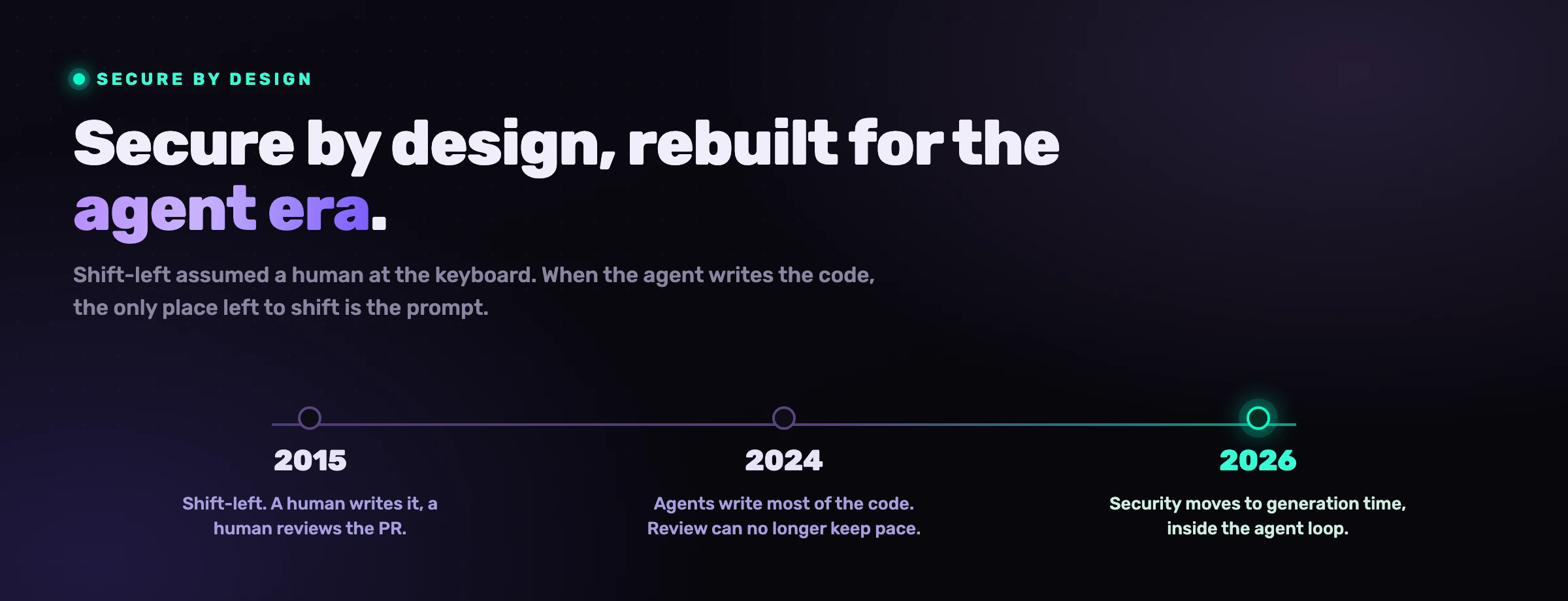
Wir sind im Jahr 2015. Ihr Security-Team durchkämmt Logs von Hand und jagt Schwachstellen wie Ermittler in einem Noir-Krimi. Spulen Sie bis heute vor, und die Landschaft hat sich vollständig verschoben. Auftritt der KI-Agenten, Ihrer neuen Verbündeten, ausgerüstet dafür, Bedrohungen vorherzusagen, zu erkennen und zu neutralisieren, bevor sie auftauchen.
Secure by Design (SbD) war lange der Maßstab für widerstandsfähige Systeme. Im KI-Zeitalter genügt es aber nicht mehr, sichere Systeme zu entwerfen, sie müssen sich weiterentwickeln. Klassische Werkzeuge sind, so verlässlich sie sind, immer mehr wie eine Taschenlampe beim Stromausfall: reaktiv, begrenzt und zunehmend von gestern.
KI erkennt Schwachstellen nicht nur, sie sagt sie vorher. Als hätte man eine Glaskugel für Cybersicherheit.
KI-Agenten definieren SbD neu und machen aus einer statischen Checkliste einen dynamischen, intelligenten Rahmen. Diese Agenten folgen nicht bloß Regeln, sie lernen, passen sich an und antizipieren. Stellen Sie sich eine DevSecOps-Pipeline vor, in der Schwachstellen vor dem Deployment markiert werden, oder eine Bedrohungsanalyse, die Anomalien schneller findet als ein überkoffeinierter Analyst.
Klar gesagt: KI in die Unternehmenssicherheit zu holen ist nicht ohne Hürden. Es verlangt eine Verschiebung bei Denkweise, Werkzeugen und Prozessen. Der Gewinn ist dennoch unbestreitbar.
schnellere mittlere Erkennungszeit auf Daten früher Kunden, Agent-Time gegen nächtliche CI
Lärmreduktion, beobachtet nach Korrelation der Befunde aus SAST, SCA und IaC
Merge-Gates nötig, wenn das Urteil im Prompt ankommt
Was sich ändert, wenn die KI das Steuer übernimmt
Proaktive Erkennung
Agenten analysieren Millionen Datenpunkte in Echtzeit und finden Muster, die Menschen übersehen würden, einschließlich der langsamen Drift eines Dienstes, der im letzten Quartal sicher war und es jetzt nicht mehr ist.
Automatische Behebung
Vom Patchen einer Schwachstelle bis zum Isolieren kompromittierter Systeme: KI erkennt nicht nur, sie handelt. Verifizierte Patches kommen als PR, nicht als Jira-Ticket.
Kontinuierliches Lernen
Jede erkannte Bedrohung macht das System klüger, eine Rückkopplung, die sich aufsummiert, leise, während Ihr Team schläft.
Wie KI-Agenten die Schwachstellenerkennung verändern
Stellen Sie sich ein Ökosystem vor, in dem Bedrohungen nicht nur erkannt, sondern vorhergesehen werden, in dem Schwachstellen neutralisiert werden, bevor sie ausgenutzt werden, und in dem Ihre Verteidigung mit jedem Angriff mitwächst. Das ist die Realität, die KI-Agenten in die Schwachstellenerkennung bringen, ein Paradigmenwechsel für die Unternehmenssicherheit.
Klassische Erkennungswerkzeuge sind von Natur aus reaktiv: blinde Wachposten, die nur sehen, was direkt vor ihnen liegt. KI-Agenten dagegen sind die endgültigen Ermittler. Sie analysieren riesige Datensätze, holen verborgene Muster hervor und sagen Bedrohungen voraus, bevor sie sich materialisieren, ganz im Sinne von Secure by Design und intelligenter Bedrohungsanalyse.
So schreiben sie die Regeln um:
- Proaktive Jagd. Agenten warten nicht auf den Einbruch. Sie prüfen Code, Konfigurationen und Verhalten in Echtzeit und finden Schwachstellen, bevor Angreifer sie nutzen können.
- Präzision mit Kontext. Anders als Werkzeuge, die Teams mit Fehlalarmen überschwemmen, verstehen Agenten Kontext. Sie trennen die harmlose Anomalie von der echten Bedrohung.
- Sich selbst verbessernde Intelligenz. Jede erkannte Bedrohung bereichert die Wissensbasis. Ein unermüdlicher Fachmann, der nie aufhört zu lernen.
Agenten hören aber nicht beim Erkennen auf, sie lösen auch. Durch automatisierte Behebungsabläufe können sie Schwachstellen patchen, Konfigurationen aktualisieren und Richtlinienänderungen vorschlagen, ohne menschliches Zutun. Wie ein CISO es zusammenfasste:
KI-Agenten sind keine Werkzeuge, sie sind Kraftverstärker. Sie lassen uns über Strategie nachdenken, während sie das Schwere tragen.
Gute Praxis für die Integration von KI-Agenten
Denken Sie an Ihr Security-Team wie an eine Formel-1-Box: schnell, präzise, immer bereit. Aber selbst die beste Box gewinnt nicht ohne die richtigen Werkzeuge. KI-Agenten sind der hochoktanige, selbstlernende Motor, der Ihren Betrieb aufwertet, sofern Sie sie überlegt einbinden.
- Beginnen Sie mit Secure-by-Design-Fundamenten. Agenten entfalten sich in Umgebungen, in denen Sicherheit im Kern steckt. Bauen Sie sie in jede Schicht ein, von Code bis Cloud. Wie ein DevSecOps-Lead scherzte: „Man bringt einer KI nicht das Schwimmen bei, wenn der Pool schon brennt."
- Trainieren Sie mit hochwertigen Daten. Eine KI ist nur so gut wie ihre Daten. Füttern Sie sie mit sauberer, vielfältiger, aktueller Threat Intelligence, das Gegenstück dazu, einem Wachhund den offensichtlichen und den unauffälligen Eindringling beizubringen.
- Automatisieren, aber nicht abdanken. Agenten glänzen im Repetitiven, bei Schwachstellenscans und Log-Analyse. Sie ersetzen keine menschliche Aufsicht: nutzen Sie sie, um das Team für strategische Entscheidungen freizustellen.
- In die DevSecOps-Pipeline einbetten. Setzen Sie Agenten in den Entwicklungszyklus, um Schwachstellen vor der Produktion zu fangen. Ein Wächter, der jeden Ziegel prüft, bevor das Haus steht.
- Laufend beobachten und anpassen. Bedrohungen entwickeln sich schneller als Memes. Geben Sie Ihren Agenten Analysefähigkeiten, die sich in Echtzeit anpassen, und trainieren Sie regelmäßig mit frischen Daten nach.
- Messen und optimieren. Verfolgen Sie Erkennungsgeschwindigkeit, Fehlalarmquote, Reaktionszeiten. Nutzen Sie die Kennzahlen, um den Rollout zu justieren und den Nutzen gegenüber Stakeholdern zu belegen.
Überlegt eingebunden verwandeln Agenten Ihren Sicherheitsbetrieb in einen Hochleistungsmotor, der selbst raffinierten Bedrohungen davonfährt.
Die Zukunft: KI-Agenten als neuer Standard
Stellen Sie sich eine Landschaft vor, in der Bedrohungen neutralisiert werden, bevor sie zuschlagen, und Schwachstellen erkannt und gepatcht werden, bevor jemand sie ausnutzt. Das ist keine Science-Fiction, es ist die Realität, die Agenten heute bauen.
KI-Agenten sind von optionalem Werkzeug zum unverzichtbaren Bestandteil moderner Cybersicherheit geworden. Sie definieren Secure-by-Design neu, indem sie Erkennung und Reaktion automatisieren. Denken Sie an unermüdliche, hochwache Wachposten, die Code prüfen, Verhalten analysieren und Bedrohungen mit unerreichter Präzision vorhersagen.
Was sie auszeichnet, ist ihre Lernfähigkeit. Jeder Fehlalarm, jeder Beinahe-Vorfall, jeder erfolgreiche Exploit wird zur Lektion und schärft ihre Algorithmen. Dieser Zyklus stetiger Verbesserung ist der eigentliche Unterschied.
Agenten sind keine Wunderwaffe. Ihre Wirksamkeit hängt von der Qualität der Trainingsdaten ab und davon, wie Sie sie in Ihre Strategie einbinden. Richtig eingesetzt werden sie zum Kraftverstärker für Ihr Team, nicht zum Ersatz.
KI-Agenten ersetzen mein Team nicht, sie machen daraus Superhelden.
Der eigentliche Wert dieser Technik liegt darin, Menschen für strategische Entscheidungen freizustellen, während die KI die operative Last trägt. Die Richtung ist klar: KI-Agenten werden zum neuen Standard in der Cybersicherheit. Unternehmen, die den Wechsel annehmen, laufen den Bedrohungen nicht nur voraus, sie definieren neu, was Secure by Design bedeutet.
Das Fazit
Die Frage ist nicht, ob Sie KI-Agenten einsetzen, sondern wann. Und in der Cybersicherheit ist der Zeitpunkt alles. Wer jetzt handelt, baut einen Vorteil auf, der sich aufsummiert und den reaktive Verteidiger nicht mehr einholen.


